
The EVECTRiX NEX-1/5-50A is a five-channel Electric Vehicle Energy Management System designed to connect and manage up to five Level 2 EV chargers using a single 50 A electrical input.The system intelligently distributes the available electrical capacity among the connected chargers, making EV charging infrastructure more accessible without installing five separate feeder circuits.
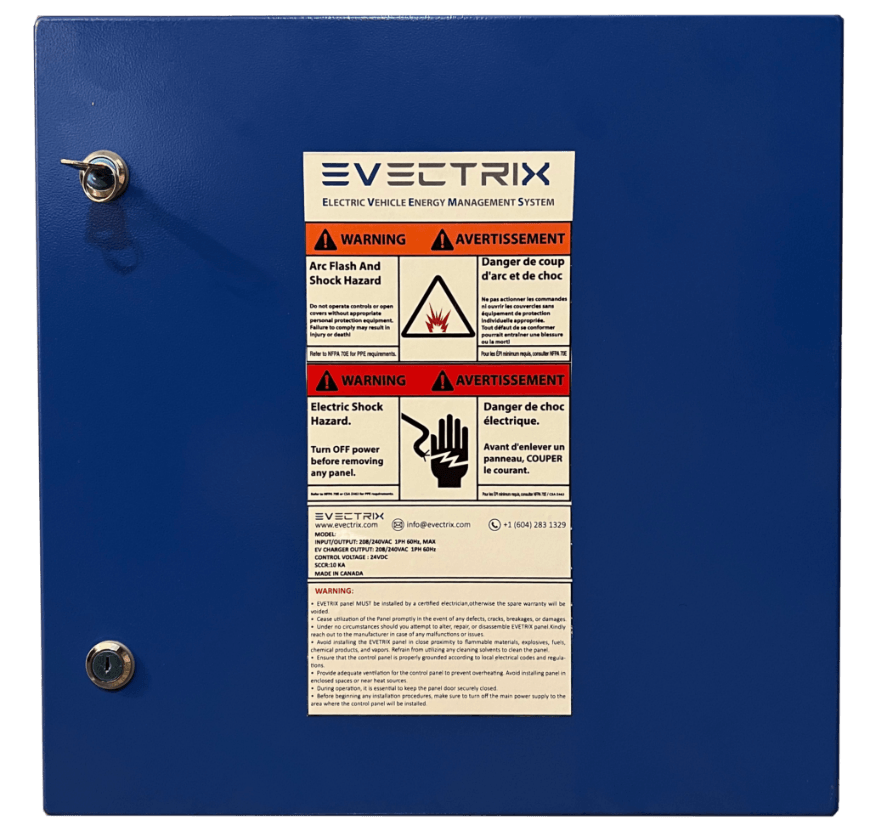
Installing multiple EV chargers can place significant demand on a building’s electrical infrastructure. In many existing condominiums, multi-unit residential buildings, workplaces, and fleet facilities, sufficient capacity may not be available to operate several chargers simultaneously.
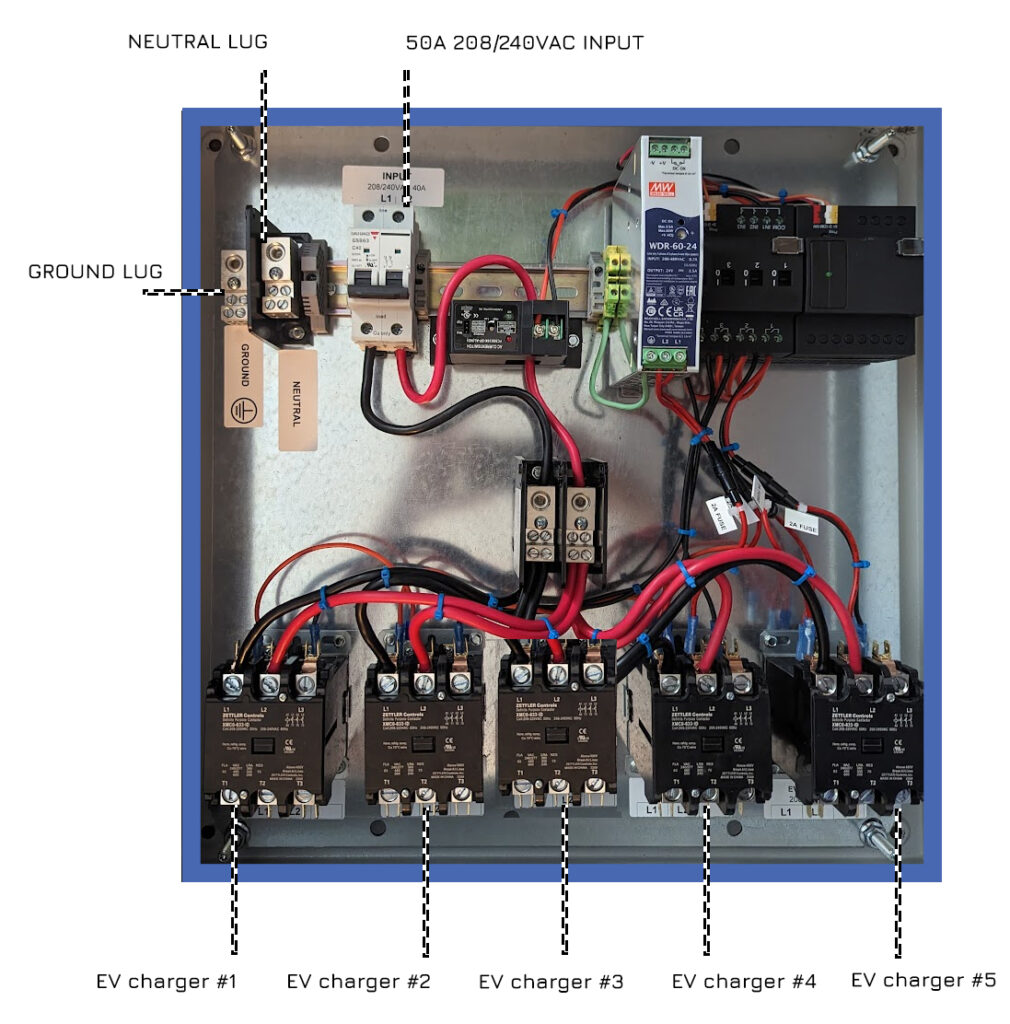
The NEX-1/5-50A provides a practical alternative. One 50 A input circuit supplies an intelligent five-channel EVEMS panel, which then manages five dedicated EV charger outputs.
Instead of requiring a separate feeder circuit for every charger, the available capacity is automatically shared among the connected charging stations. This approach can reduce the amount of electrical distribution equipment, feeder cabling, conduit, and installation work required for an EV charging project.
A dedicated 50 A, 208/240 VAC circuit supplies power to the NEX-1/5-50A EVEMS panel.
The panel provides Five separate 50 A output channels. Each channel can be connected to an individual Level 2 EV charger configured for a maximum charging current of 40 A.
The integrated control system manages the charging outputs so that the total demand remains within the available capacity of the shared input circuit.
When multiple vehicles are connected, the system automatically coordinates charging access among the active outputs. This allows multiple residents, employees, or fleet vehicles to share the available electrical infrastructure without manual intervention.
The charging sequence continues automatically as long as vehicles remain connected and require charging.
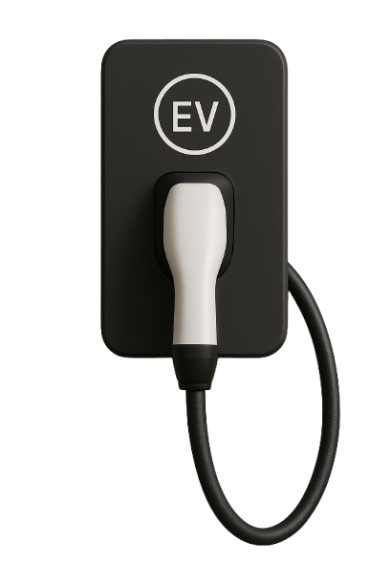
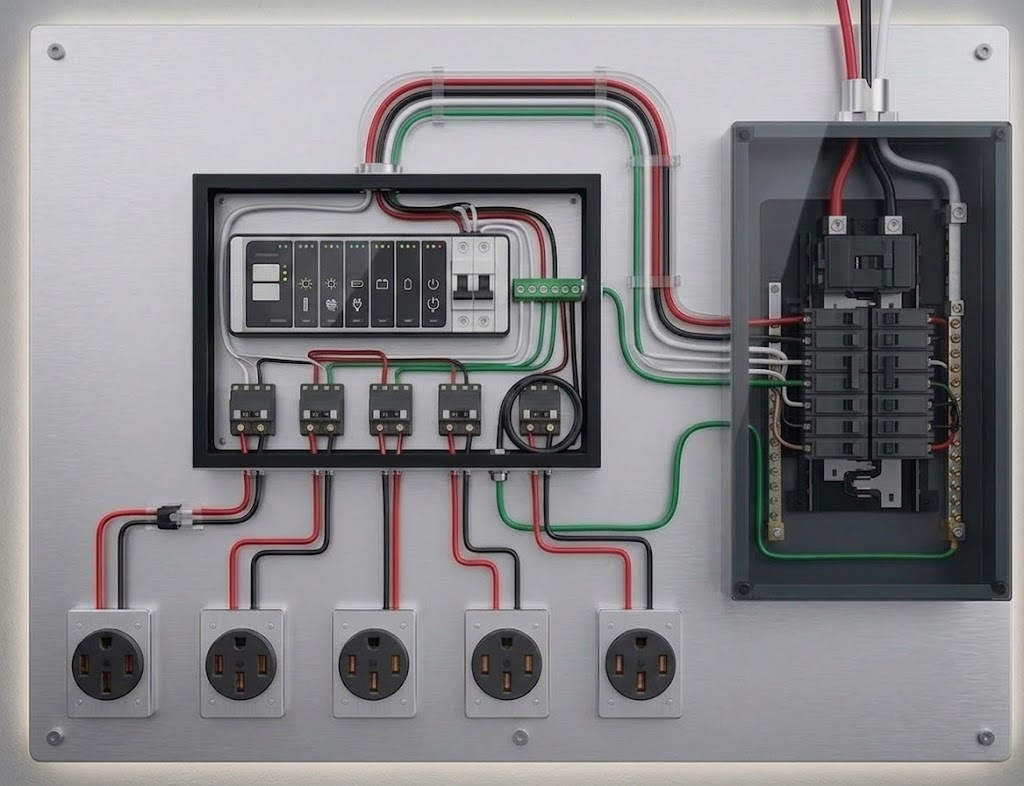
Connect up to fiveLevel 2 EV chargers to one intelligent EVEMS panel.
Avoid installing five completely independent feeder circuits where a shared-circuit design is suitable for the project.
Reduce requirements for breakers, feeder cabling, conduit, distribution equipment, and installation labour.
The EVEMS manages electrical power behind the charging stations, allowing the project to use compatible third-party Level 2 EV chargers
Install charging connections for multiple parking spaces while making efficient use of the electrical capacity currently available.
Suitable for individual five-charger installations or as part of a larger networked EV charging system.
Charging access is coordinated automatically without requiring drivers or building personnel to manually switch circuits.
In standalone configuration, one NEX-1/5-50A panel independently manages up to five connected EV chargers.
This configuration is suitable for:
For larger projects, multiple NEX panels can be incorporated into a coordinated EV charging network.
This configuration is suitable for:
The NEX-1/5-50A is designed for projects where several vehicles require access to Level 2 charging but the available electrical capacity is limited.
Provide EV charging access to multiple residents without assigning a completely separate feeder circuit to every parking stall.
Create shared or grouped EV charging infrastructure for resident parking areas.
Allow several employees to connect their vehicles throughout the workday using a managed electrical supply.
Coordinate charging across a small group of fleet vehicles that remain parked for extended periods.
Add EV charging amenities for tenants, employees, or visitors while managing available electrical capacity.
Introduce EV charging infrastructure in properties where electrical service upgrades may be difficult, disruptive, or expensive.

| Conventional Installation | NEX-1/5-50A Installation |
|---|---|
| Five dedicated branch circuits | One 50 A electrical input |
| Five upstream breaker positions | One intelligent EVEMS control panel |
| Additional distribution capacity required | Five dedicated charger outputs |
| Larger feeder conductors | Automatic charging coordination |
| More conduit and cabling | Uses existing electrical capacity more efficiently |
| Potential electrical service or panel upgrades | No major electrical upgrades in many installations |
| Specification | Rating |
|---|---|
| Product model | NEX-1/5-50A |
| Product type | Five-channel Electric Vehicle Energy Management System |
| Input | 1 × 50 A, 208/240 VAC |
| Input conductors | L1, L2, ground and optional neutral |
| Number of outputs | Five |
| Output rating | 5 × 50 A, 208/240 VAC |
| Output conductors | L1, L2, ground and optional neutral per output |
| Maximum EV charger setting | 40 A per connected EV charger |
| Control voltage | 24 VDC, 2 A |
| Enclosure type | NEMA 3R |
| Operating temperature | −20°C to +40°C |
| Storage temperature | −20°C to +40°C |
| Operating relative humidity | Maximum 90% |
| Storage relative humidity | Maximum 93% |
| Approximate weight | 25 lb |
| Operating configuration | Standalone or network-enabled |
| Enclosure dimensions | Confirm final production dimensions before publishing |
The output ratings identify the electrical rating of each output channel. The total charging demand is managed according to the capacity of the single 50 A input circuit.
Specifications are subject to change without notice. Refer to the latest EVECTRiX technical documentation before designing or installing the system.
The cost of EV charging infrastructure extends beyond the charging stations themselves. Breakers, feeders, conduit, distribution panels, installation labour, and electrical service capacity can represent a significant portion of the total project cost.By allowing five EV chargers to share one managed 50 A circuit, the NEX-1/5-50A can simplify the electrical design and reduce the amount of upstream infrastructure required.Actual savings depend on the building, installation distance, electrical capacity, charger selection, local requirements, and project design.
The NEX-1/5-50A must be installed, configured, tested, and commissioned by a qualified electrical contractor in accordance with the manufacturer’s instructions and all applicable national, provincial, state, municipal, and local electrical codes.
The project designer and electrical contractor must confirm:
Safety Notice
Hazardous voltage is present inside the panel. Installation and servicing must only be performed by qualified electrical personnel after the equipment has been properly isolated and verified as de-energized.
Yes. The panel provides four separate outputs for connecting up to five compatible Level 2 EV chargers
No. The system has one 50 A electrical input and five managed output channels.
No. The panel’s total available power is limited by its single 50 A input. The EVEMS coordinates charging among the connected outputs so the available input capacity is not exceeded.
Each connected EV charger can be configured for a maximum charging current of 40 A when supplied by its 50 A output channel, subject to the approved project design and applicable electrical requirements.
The system manages power on the supply side of the charging stations and is intended to support compatible Level 2 EV chargers. Charger compatibility and control requirements should be confirmed during project design.
Yes. The NEX-1/4-50A can operate as a standalone four-channel EVEMS.
Yes. It can also be used in a network-enabled configuration as part of a larger EVECTRiX load-management system.
The panel uses a NEMA 3R enclosure. The final location must still comply with the manufacturer’s installation instructions and applicable electrical and environmental requirements.
The system automatically coordinates charging among connected vehicles. Actual charging time depends on the number of connected vehicles, their charging demand, battery condition, charger configuration, and the programmed operating sequence.
Speak with the EVECTRiX engineering team to determine whether the NEX-1/4-50A is suitable for your condominium, multi-unit residential, workplace, commercial, or fleet-charging project.
Our team can work with your electrical consultant or contractor to review the available capacity, charging requirements, system architecture, and future expansion plans.